Gifts and flowers
Flowers are usually welcome, and white is the traditional choice. Some families ask for a donation to a charity or to the temple instead. Gifts of money are not expected.
A Buddhist funeral marks a passing from one life into the next, and there is no single form it takes. Customs vary widely between the Theravada, Mahayana and Tibetan traditions, and between families. This guide covers what to expect – before, during and after – and how your local Dignity funeral director can support you to arrange a Buddhist funeral.

Buddhists generally believe that nothing is permanent, and that death is a passing from one life into another rather than an ending. There is a belief in rebirth, though not of a soul moving from one body to the next. It is understood more as a continuing, changing state of being. Actions in this life, or karma, shape the life that follows, and the goal is release from that cycle and the perfect peace of enlightenment.
The state of mind at the moment of death is held to be important. Families place great value on a calm, quiet space in the hours and days before and after a death, and chanting or the reading of sacred texts may be used to help settle the mind.
There is no universal Buddhist funeral ceremony. Rites differ from tradition to tradition, and family to family. Many Buddhists see the ceremony itself as simple and largely non-religious. In most traditions, monks or a senior member of the community take part in some way – chanting from the scriptures, offering a blessing, or giving a sermon – at a temple or monastery, or at the crematorium or graveside.
Cremation is often the most common choice, following the cremation of the Buddha himself, but it is not universal. Burial is also common among Sri Lankan families and in Tibet, cremation has traditionally been rare.
At Dignity, we support families of every faith and tradition. From a calm, quiet space for chanting and meditation to working alongside your monastery or Buddhist community, we have the expertise and experience to honour every detail. If you need to arrange a Buddhist funeral, just contact your local Dignity funeral director who will talk everything through with you.
Customs differ widely between Buddhist traditions, so if you are unsure it is always fine to ask the family. Here's what to expect:
Flowers are usually welcome, and white is the traditional choice. Some families ask for a donation to a charity or to the temple instead. Gifts of money are not expected.
A meal often follows the ceremony, and in many traditions it is vegetarian. In Theravada communities, food is also offered to the monks as part of the merit-making that follows a death.
Plain, modest clothing is expected, with arms and knees covered. White is the traditional colour of mourning in many Buddhist cultures, though dark, muted colours are widely accepted in the UK. Bright colours are best avoided. If any part of the ceremony is held at a temple, you will usually be asked to remove your shoes.
Calm and quiet are valued throughout. You may see mourners bow towards the image of the Buddha or the coffin, or offer incense. You are welcome to join in, or simply stand quietly. Follow the family’s lead, and there is no expectation that guests take part in the chanting.
The cost of a Buddhist funeral in the UK depends on the funeral director, the crematorium or cemetery, and the personal touches you choose to include. Most Buddhist families choose an attended funeral, with time in a chapel of rest for chanting and meditation, and a simple ceremony led by a monk or a senior member of the community. Because there is no fixed timescale, families usually have time to consider the options without pressure. Your local Dignity funeral director can talk you through everything that is included, and the costs, so you can plan with confidence.
Our funeral directors are at the heart of their communities, in over 500 locations across the UK. Wherever you live, you’ll have an experienced professional by your side throughout, caring for you and the person who’s died.
At Dignity, we’re here to support people of all religions and none. We can arrange Catholic, Anglican, Hindu, Muslim, Jewish, Orthodox, Methodist, Baptist, Quaker and Sikh funerals. Call your local funeral director today to talk about your needs.
Reviews for Dignity Group
We’re here to answer all your questions. If anything isn’t clear, please ask us.
More guidance on funeral traditions across different faiths and cultures.

A Hindu funeral is a farewell and a step in the soul's onward journey: what to expect before, during and after, etiquette, what to wear and costs.
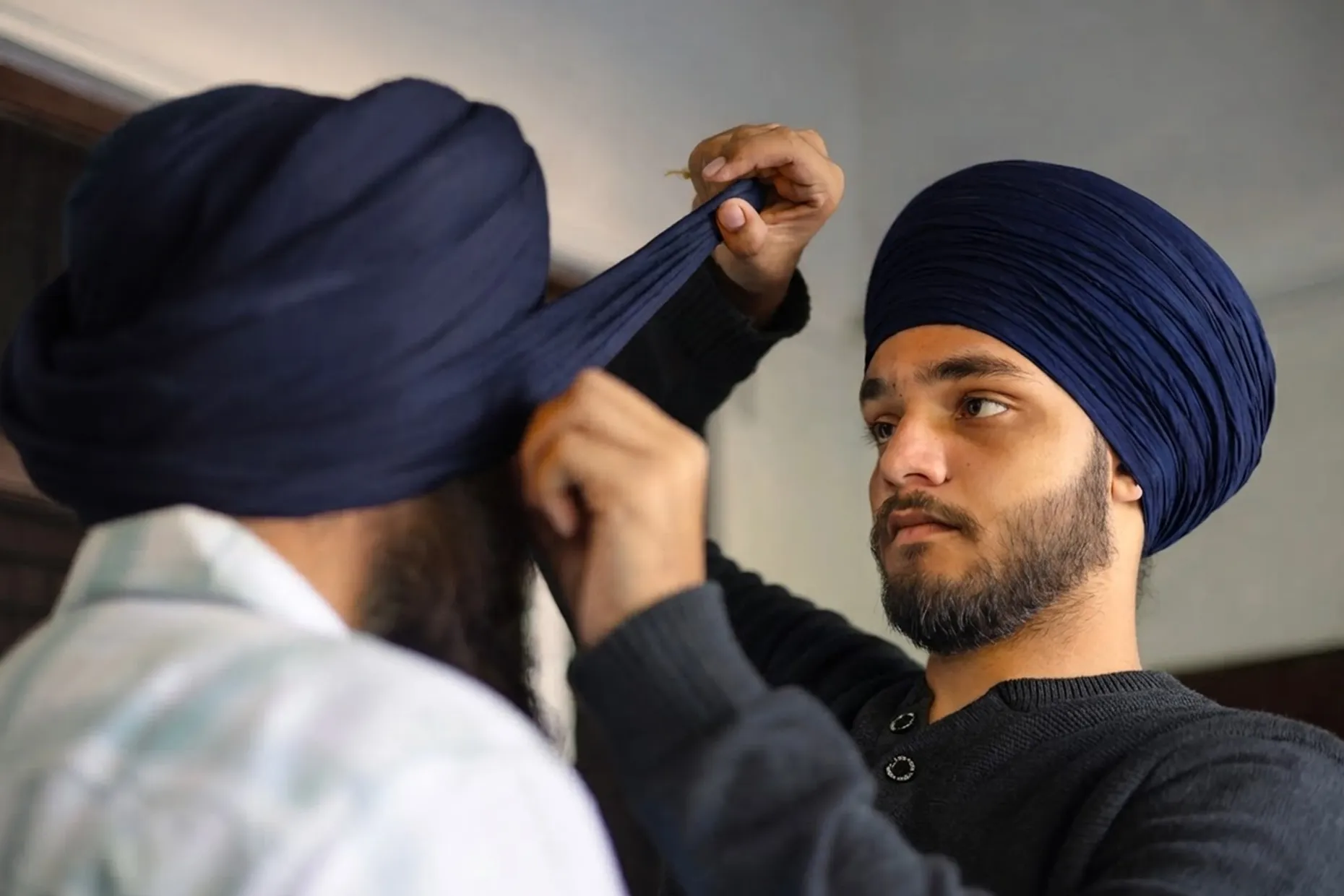
Sikh teaching on the soul's journey to mukti, and what to expect at the funeral itself – the ceremony, the etiquette, the key terms and the costs.
Japanese funerals, usually Buddhist in form with Shinto alongside at home, and the ancestral altar that follows – what to expect, and what it costs.