What to do when someone dies
It is perfectly normal to be unsure of what to do when someone dies. Your funeral director will be ready to be by your side from the moment you notify them, to guide you through the key steps after a death, offering you help and support at such a difficult time.
- 5 minute read
- 2 September 2026
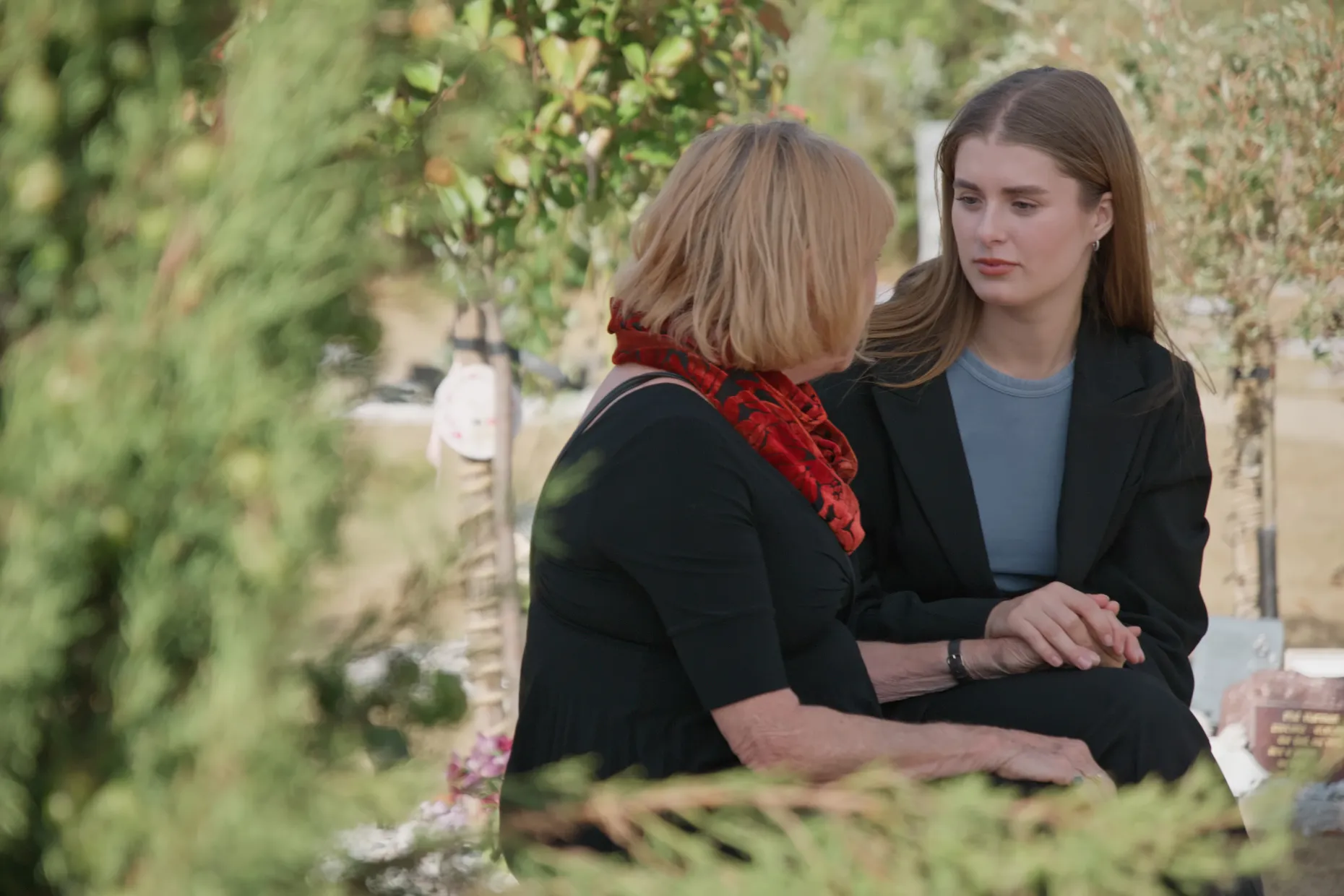
1. Immediately after someone dies
First, take a breath and remember that there are people here to support you. The steps you’ll need to take next depend on where the person died.
Speak to your local funeral director
Our funeral directors are here to support you. If someone has died, call us and we’ll answer your questions and explain what to do next. We’re available 24 hours a day, every day of the year.
2. Registering the death
The medical examiner will let you know when they have sent the medical certificate cause of death (MCCD) to the registrar. You should then make an appointment with the registrar to register the death.
You can find a register office on GOV.UK
- In England, Wales and Northern Ireland, you must register the death within 5 days.
- In Scotland, you must register the death within 8 days.
If you need more time to register the death you should contact the registrar immediately to let them know.
A relative should register the death
If a relative can’t register the death, you can ask someone else, as long as they:
- were there at the time of death
- are an administrator from the hospital (if the person died in hospital)
- are the person making funeral arrangements
When you make your appointment with the registrar, they will tell you the information you need to bring.
The registrar will give you a certificate for burial or cremation
Once you have registered the death, the registrar will give you:
- a certificate for burial or cremation (known as the Green Form)
- a unique code, so that you can use the Tell Us Once service
- a death certificate, which you need to pay for. This is a certified copy of what’s recorded in the death register. You need it to deal with the person’s estate, including their property and finances.
It’s a good idea to get extra death certificates
If you’re managing the financial affairs of the person who has died, you’ll find that some organisations like banks or insurance companies will ask for an original copy of the death certificate. While you’re with the registrar, it’s worth ordering extra copies. It’s slightly cheaper to get the certificates all in one go like this and helps to avoid delays.
3. Arranging the funeral
Before you plan the funeral, you should check if the person who died had:
- A will or letter of wishes – this could include funeral instructions or more information about any provisions they have made.
- An over 50’s life insurance policy – this may provide money towards the cost of the funeral
- A pre-paid funeral plan – this could include the details of their chosen funeral director and a payment towards some or all of the cost of the funeral. If you think they may have a Dignity Funeral Plan, call us and we will check for you.
Alternatively, when you’re ready, contact your local Dignity funeral director. They’ll support you to arrange a funeral, either with or without mourners present.
We're here to support you
Our funeral directors are at the heart of their communities, in over 500 locations across the UK. Wherever you live, you'll have an experienced professional by your side throughout, caring for you and the person who's died.
4. Dealing with the estate
An estate is someone’s money, property and personal possessions. When someone dies, you may need to apply for a legal document which gives you the authority to handle their estate. The document is called a grant of probate.
You may need a grant of probate if the person who died:
- owned a property in their name only
- had a certain amount of money in their bank or building society account – banks and building societies set their own limits around when they need to see a probate document
- Dignity Legal Services are probate specialists. They offer a free legal support call to help you understand if you need probate. Call them for a no obligation quote: 0162 888 2182
Find out if you need probate
Dignity Legal Services are probate specialists. We offer a free legal support call to help you understand whether you need probate.
Reviews for Dignity Group
- Included:Over 200 years of caring for families
- Included:Local service from over 500 branches
- Included:Funerals, plans, probate and more
Frequently asked questions
We’re here to answer all your questions. If anything isn’t clear, please ask us.
Trusted by families across the UK
Related guides

When someone dies in hospital
What happens when someone dies in hospital: the medical certificate, where they are cared for, their possessions, and organ donation.

When someone dies in a care home
What happens when someone dies in a care home, whether the death was expected or not, including possessions, religious rituals and the next steps.
When someone dies unexpectedly
What to do in the first hours after a sudden death, why a coroner is usually involved, and where to find support for the shock that follows.

After the funeral
The weeks after the funeral – the ashes, the accounts, the estate, the bill and the memorial, in the order they matter, and how you are once it stops.