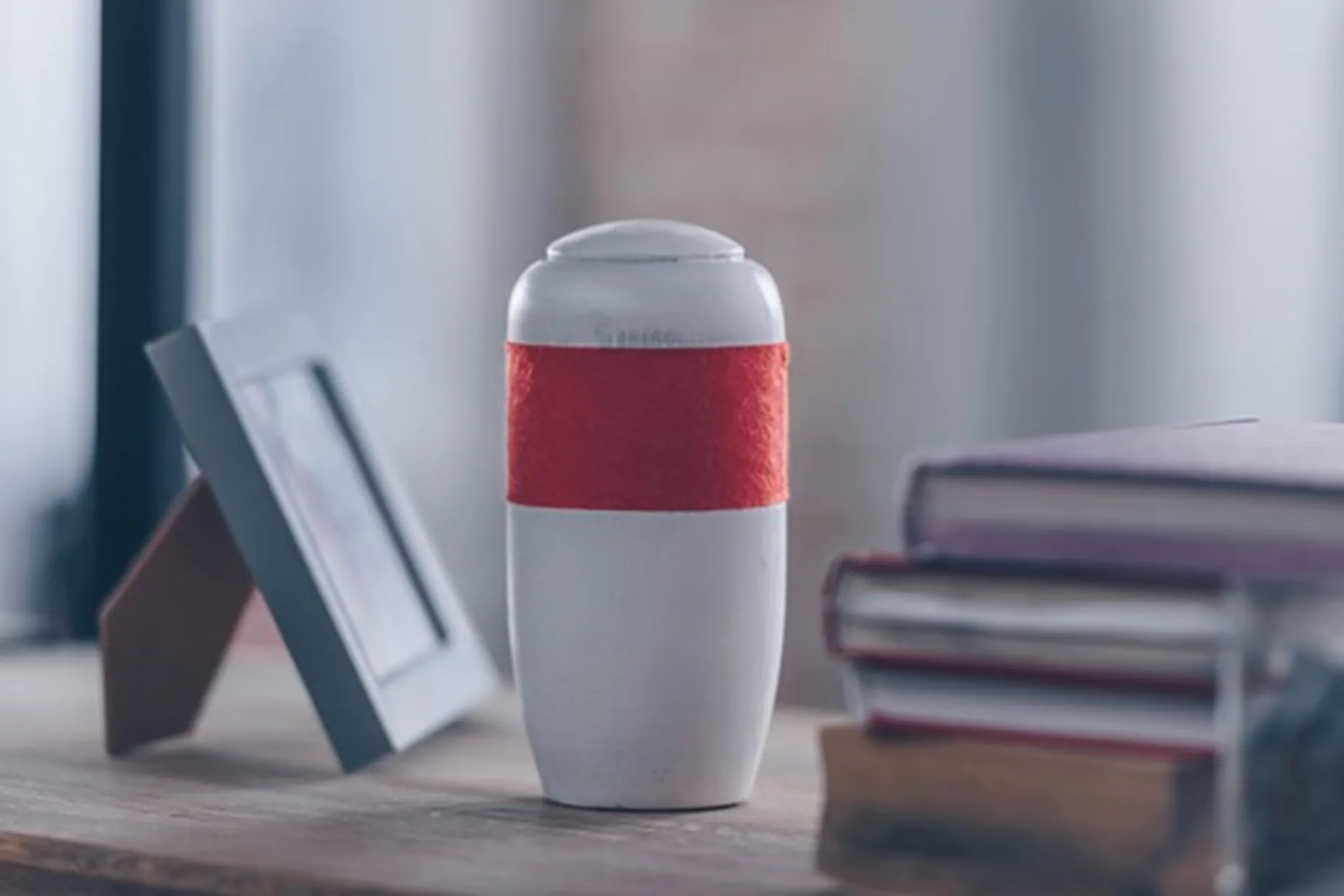
Cremation memorials
The memorials made for ashes – urns, plaques, headstones, vases and jewellery – how to choose between them, and why nothing has to be decided at once.
To commemorate a loved one who has passed away, you may want to consider fitting a headstone or memorial stone on their grave. There are a wide variety of different types of memorials for graves. This guide explains how to choose a memorial headstone, from the shape and design to the commemorative message.
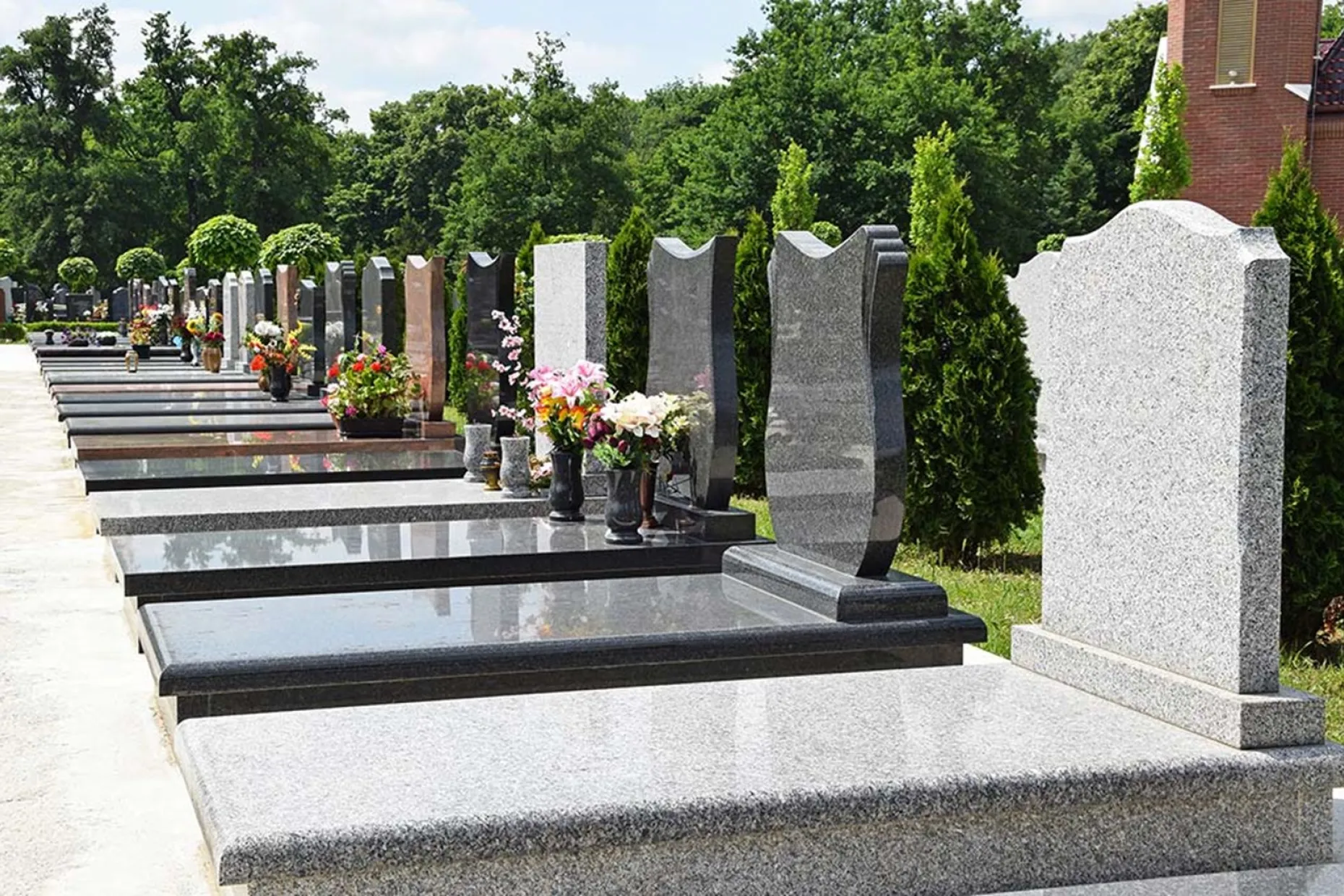
A memorial headstone is a grave marker set up at the head of a grave, often bearing details of the person who has died. Also known as a tombstone, gravestone or memorial stone, this type of memorial usually shows the person's name, date of birth and date of death, as well as other inscriptions or poems.
There's a fair bit to weigh up, from the cemetery's own rules to the material, shape, finish and what you'd like inscribed. The sections below cover each in turn, and your local funeral director can talk you through the options.
You may be restricted on the type of memorial stone available depending on the location. Cemeteries often have restrictions or preferences about headstone designs and materials. If you want to find out more about your chosen cemetery's regulations, your local funeral director can advise you.
Marble, limestone, granite and bronze headstones are common choices. When choosing the material, consider how easy it is to maintain and the overall finish you'd like it to have.
Once you've decided what material you'd like, you'll need to think about the design of the headstone. Your funeral director will be able to talk you through the options, which will include the following:
You can then think about what finish you'd like the headstone to have. There are a few options:
Next, you'll need to think about which headstone design and shape you'd prefer. It's completely up to you which shape you choose, and there are lots of options:
You may be able to add text and visuals to the headstone design. Ask your funeral director what your limitations are, depending on the size and shape of the one you choose. For example, if your loved one was musical, you might like an engraving of the instrument they played. It’s completely up to you whether you add an image or not.
When it comes to adding text, you’ll need to choose the style of font for the message and what it will actually say. Your local funeral director will be able to provide advice and guidance on gravestone designs, should you need it.
Read our guide on what to put on a headstone.
If you'd like to choose a memorial stone to commemorate your loved one, your local Dignity funeral director can help with cemetery rules, materials and inscriptions.
Reviews for Dignity Group
Cemetery rules vary from site to site. These are the questions families ask most often.
Other ways to remember someone, and what each option involves.
The memorials made for ashes – urns, plaques, headstones, vases and jewellery – how to choose between them, and why nothing has to be decided at once.
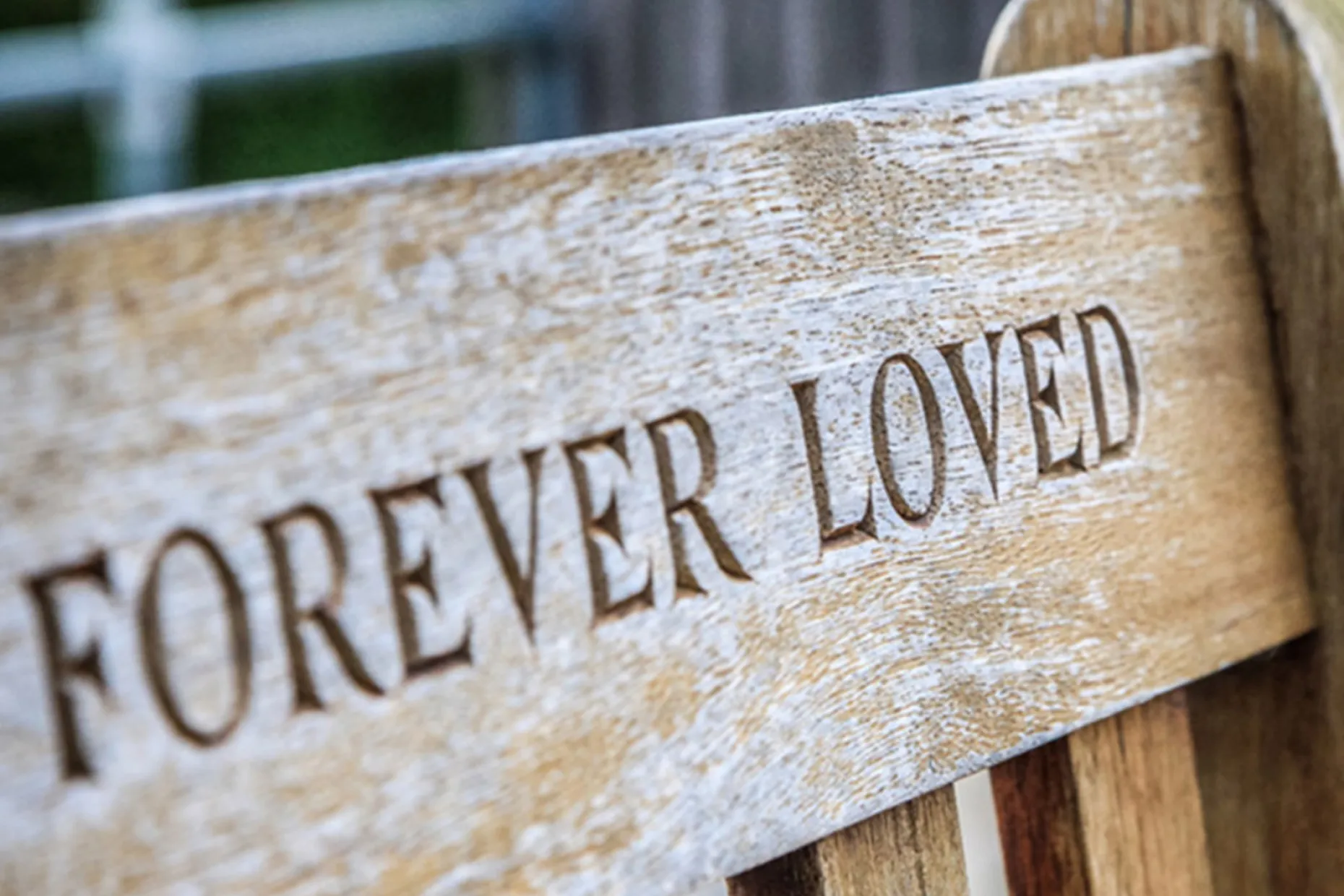
Placing a bench in someone’s memory – where it can go, the permissions needed, choosing the material and inscription, and who maintains it afterwards.

Planting or dedicating a tree in someone’s memory – where you can do it, how to personalise it, whether ashes can be buried there, and how long it lives.