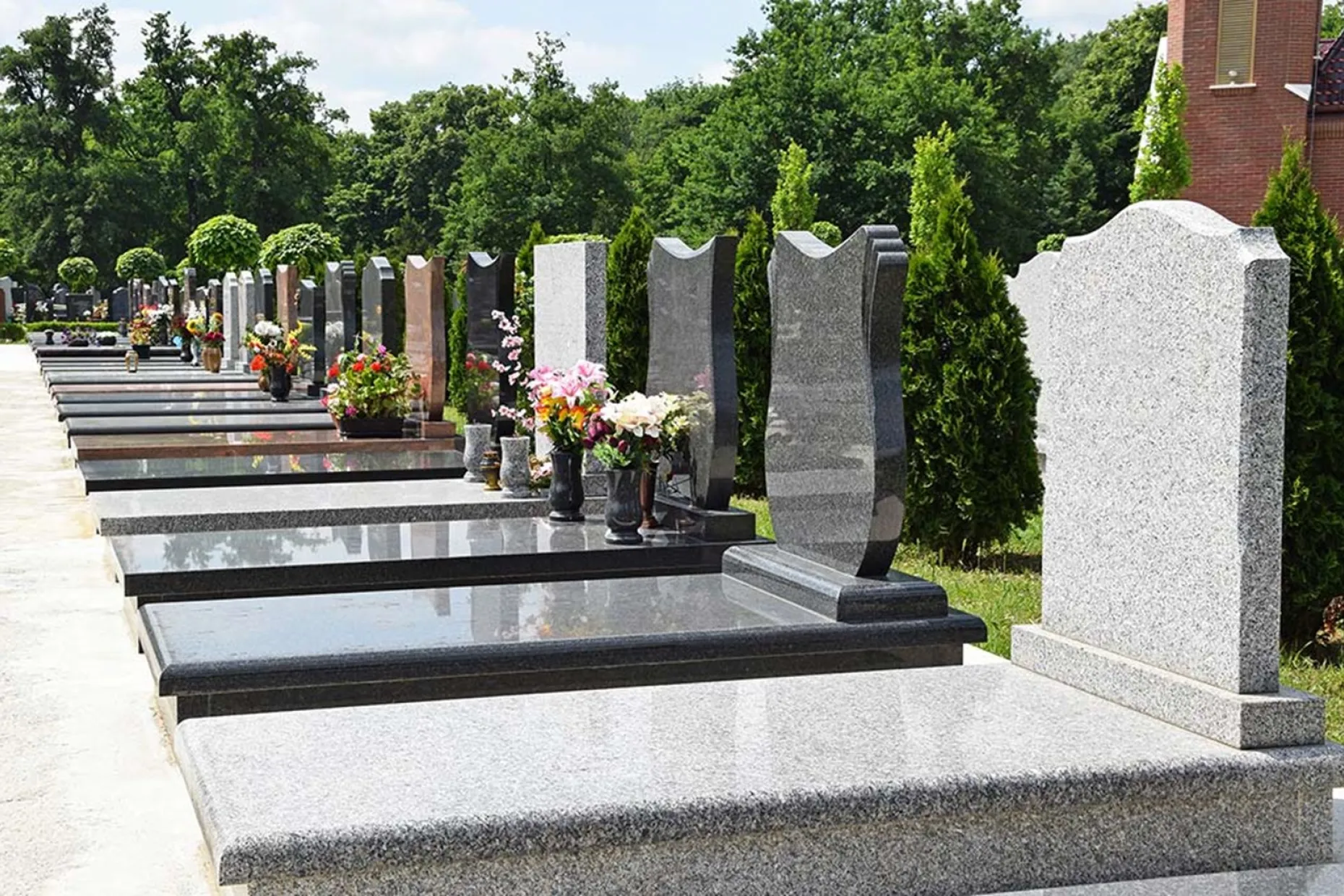
Headstones
Choosing a headstone: materials, shapes, finishes and inscriptions, the cemetery rules that apply, and how long you must wait before one can be fixed.
Memorial benches are a popular way to commemorate loved ones. This guide explains what you will need to think about when choosing a memorial bench, and how you can personalise it to commemorate the life of the person who has passed.
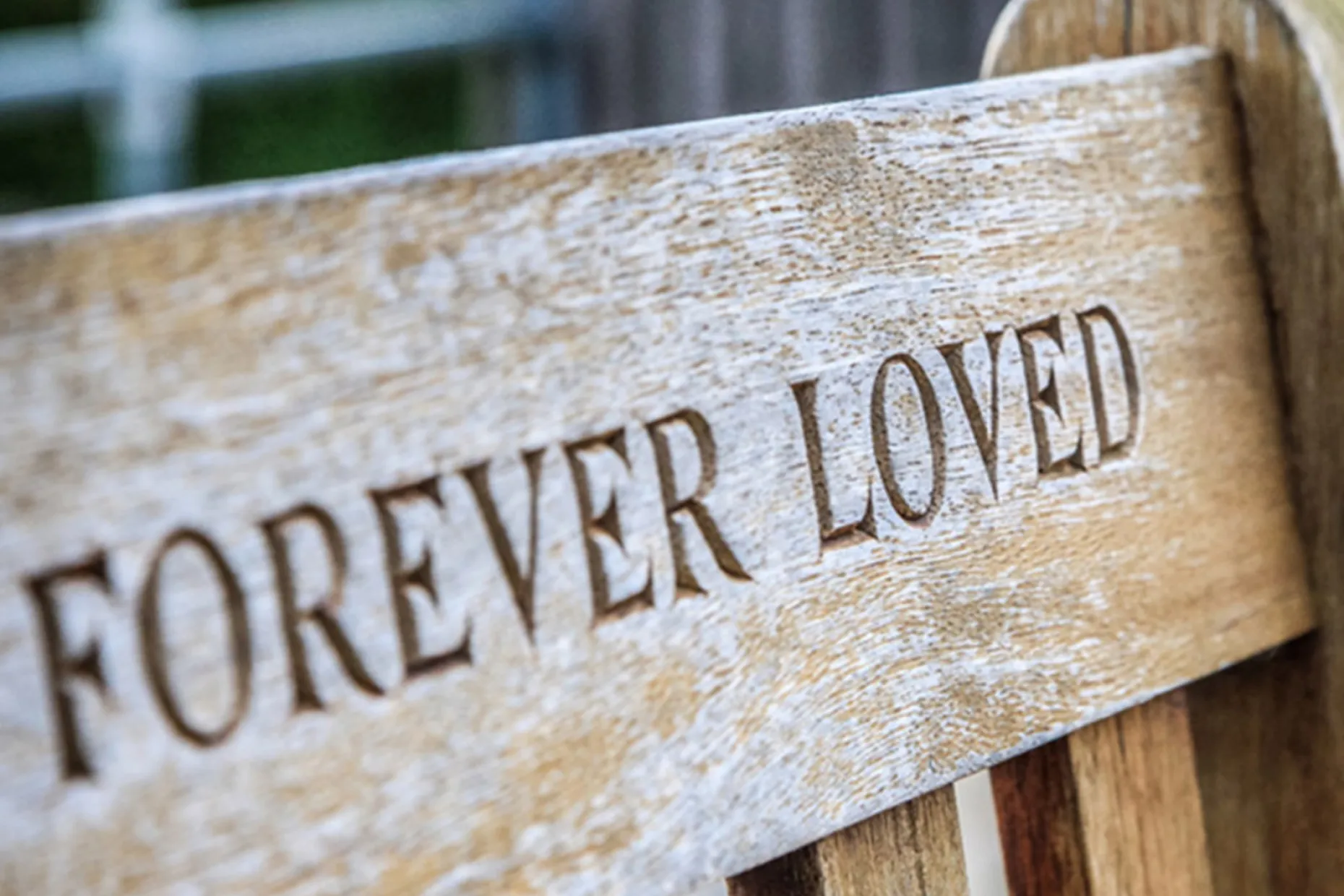
Memorial benches are usually placed in a public space to commemorate a person who has died. They can offer those who are grieving a sense that they are giving something back to the community, because they know the bench will be used and appreciated by many people. It also provides a quiet space to sit and reflect.
The first decision you will need to make is where you would like to place the bench. Many people choose a public space, perhaps a location that holds sentimental value, such as a local beauty spot, the seaside, or gardens and parkland.
Other places to consider are:
While public places are a popular choice, you may prefer somewhere private, such as your own garden, where you can spend time remembering whenever and however you want to.
Where you have the bench is up to you, but there are rules and regulations about where memorial benches can be placed, so you will need permission if you plan to put one in a public space. The questions below cover the points that come up most often, and your local council or landowner can confirm what applies in your area.
Once you have decided on a location and have permission for the bench to be installed, you will need to decide which type of bench you would like. You may wish to choose a cremation bench, which has ashes stored inside, or you can memorialise a standard bench.
To choose a memorial bench to commemorate your loved one, you will need to consider:
Memorial benches can be made from wood, stone, metal and even plastic. Your choice of location can make one material more suitable than another. Hardwood tends to be the most popular choice, but benches are available in a range of materials, including:
A memorial bench is a tribute to a loved one, so many people choose to personalise it with the person's name, their date of birth and the date they died. Most cemetery benches can be engraved to include a special message.
Popular examples include:
You may also wish to add a line from a favourite poem, song or hymn, though bear in mind that space can be limited.
Occasionally, councils and landowners will allow you to install a unique design rather than a standard one. Details of the bench construction, materials and specifications will usually need to be approved first.
It is also worth being aware of any rules affecting the wording that can be included, which vary depending on whether the bench is going into a cemetery or a churchyard. Your local Dignity funeral director can advise on what you can and cannot include.
If you would like to choose a memorial bench to commemorate your loved one, your local Dignity funeral director can help with permissions, materials and personalisation.
Reviews for Dignity Group
The rules around memorial benches vary by location. These are the questions we are asked most often.
Other ways to remember someone, and what each option involves.
Choosing a headstone: materials, shapes, finishes and inscriptions, the cemetery rules that apply, and how long you must wait before one can be fixed.

The memorials made for ashes – urns, plaques, headstones, vases and jewellery – how to choose between them, and why nothing has to be decided at once.

Planting or dedicating a tree in someone’s memory – where you can do it, how to personalise it, whether ashes can be buried there, and how long it lives.