Mausoleums
A mausoleum is a building in which a person is laid to rest above ground rather than buried in the earth. This guide explains what a mausoleum and a crypt are, the different kinds available in the UK, how entombment is arranged and what it involves, and the questions to ask before choosing one.
- 6 minute read
- 12 September 2026

What a mausoleum is
A mausoleum is a structure built to hold one or more people above ground. Laying someone to rest in one is called entombment rather than burial.
The word for a single chamber within it is a crypt. So the mausoleum is the building and the crypt is the space inside it that holds one coffin, sealed behind a stone or marble front that carries the inscription.
Ashes are not usually held in a crypt. They go in a niche in a columbarium, which is a wall or structure of small compartments, each closed with an engraved tablet. Some mausoleums include a columbarium alongside the crypts.
Mausoleums are uncommon in the UK and only a limited number of cemeteries and crematoria offer them, so availability, rather than preference, often decides the question.
Why families choose one
Faith and custom. For some families entombment is what is expected, and some traditions favour it over burial in the earth.
Feelings about burial. Some people are strongly averse to the idea of the ground, and entombment answers that directly.
Keeping a family together. A family mausoleum or a set of adjoining crypts keeps everyone in one place, on one site, without needing a large plot of ground.
Visiting. Crypts are usually reached by a path or an indoor corridor rather than across grass, which makes visiting easier in winter and for anyone with limited mobility. An indoor mausoleum can be visited in any weather.
Upkeep. There is no grave to tend and no memorial to settle, straighten or clean. The building is maintained by the operator.
The different kinds
A community mausoleum. A shared building holding many crypts, each bought individually. This is what is usually meant by a mausoleum in a UK cemetery or crematorium, and it is by far the most common and least expensive form.
A single crypt. One chamber for one person.
A companion crypt. One chamber holding two people, either side by side or one above the other.
A family mausoleum. A private structure for one family, with several crypts inside. It is the most expensive option by a wide margin, needs land, and usually needs planning permission.
A vault. An underground chamber, often beneath a chapel or a church, reached by steps. Some sites offer places in existing vaults.
Indoor or outdoor. Indoor crypts sit within a heated building with a corridor between the rows. Outdoor crypts are set into an external wall or a garden structure, and are usually less costly.
How it is arranged, and what it costs
A crypt is bought in much the same way as a grave. You are granted the exclusive right to use it, usually for a fixed term of years, and that right is recorded in a deed. Ask what the term is, what happens at the end of it, and whether the right can be passed on in a will.
The bill normally has several parts: the right to the crypt itself, the entombment fee, the stone front, and the inscription, which is charged separately and usually by the character. Ask for each to be set out in writing and ask what is not included. A family mausoleum adds design, planning permission, groundworks and construction, and takes months rather than weeks.
A crypt generally costs more than a grave in the same cemetery. Beyond that, prices vary so much between sites, and between a crypt at eye level and one high up in the same wall, that the only reliable figure is the one on the cemetery's own price list.
Your funeral director will handle the paperwork and arrange the entombment with the site.
The inscription and what else is allowed
The crypt front carries the name, the dates and usually a short line. A photograph, an emblem or a small vase bracket may be permitted, and many sites allow a bronze or ceramic plaque to be fixed to the stone.
Each site sets its own rules on lettering, materials and wording, and they are often stricter inside a building than in the grounds, because everything is seen together in one wall. Some approve the wording in advance.
Flowers are usually allowed only in a fitted holder, if at all. Loose containers and ornaments are generally not permitted in an indoor mausoleum. Ask before the day rather than arriving with something that cannot be left.
On wording more generally, see what to put on a headstone, which applies equally here.
Questions worth asking
Is the crypt indoors or outdoors, and at what height in the wall? Height affects both the price and how it feels to visit.
What are the opening hours, and can the building be visited in winter and at weekends?
How long does the right last, what does renewal cost, and who inherits it?
Who maintains the structure, and what happens if the site changes hands or closes?
Can more than one person be entombed in the same crypt later, and can ashes be added?
Is embalming required? Some sites require it for entombment, which is worth knowing early because it is a decision the family may have views about.
Find a funeral director
Mausoleums are a specialist choice. Your funeral director can tell you what is available near you and put you in touch with our memorial specialists.
Reviews for Dignity Group
- Included:Over 200 years of caring for families
- Included:Local service from over 500 branches
- Included:Funerals, plans, probate and more
Frequently asked questions
We're here to answer all your questions. If anything isn't clear, please ask us.
Trusted by families across the UK
Related guides

Garden memorials
Making a place of remembrance in your own garden – the memorials that suit one, how to combine them, and ways to personalise what you choose.
Urns and caskets
Urns and caskets for ashes – what size you need, which suit burial, scattering or keeping at home, and dividing ashes between family members.
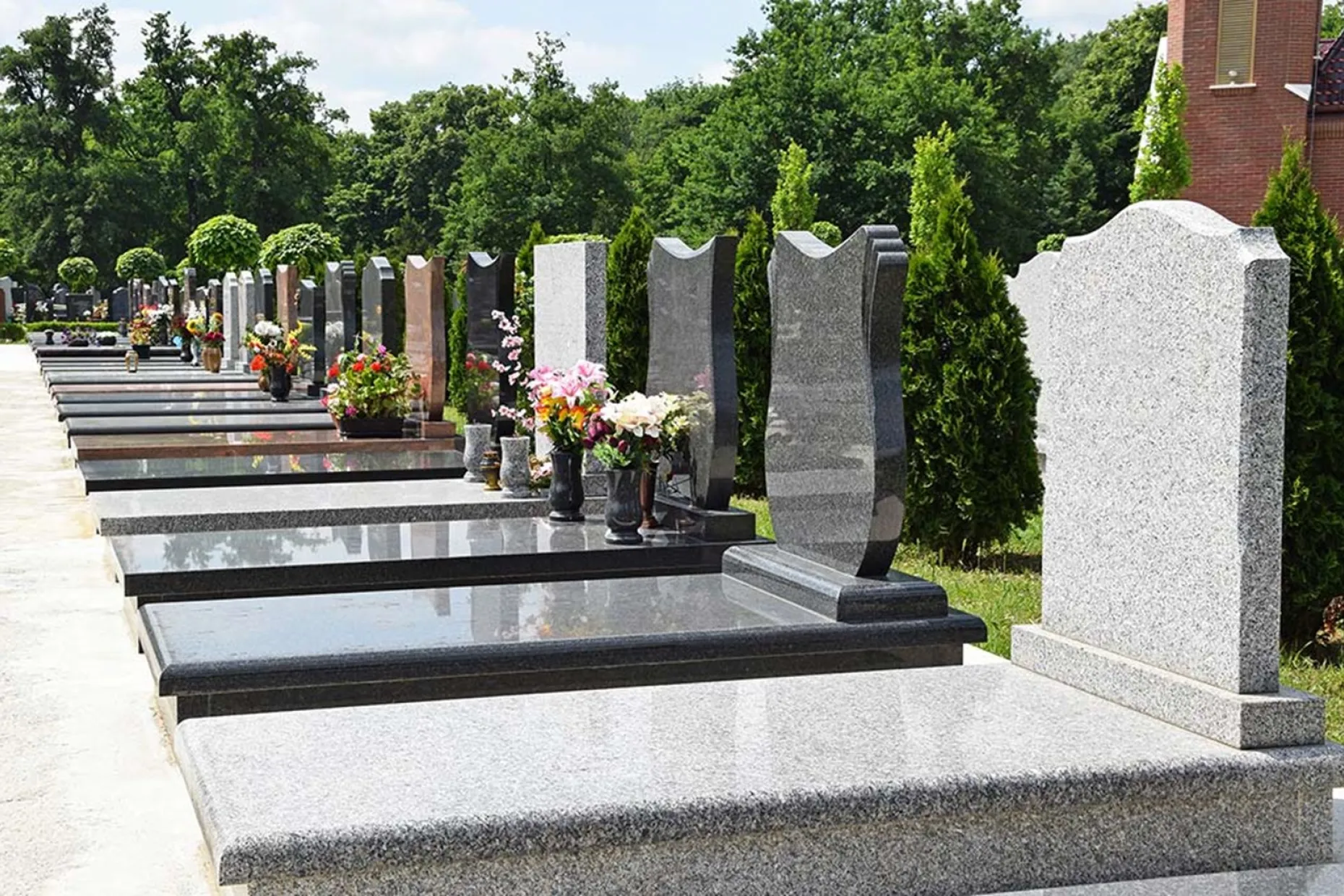
Headstones
Choosing a headstone: materials, shapes, finishes and inscriptions, the cemetery rules that apply, and how long you must wait before one can be fixed.