Gifts and flowers
Practice varies between parishes and nationalities, so ask the family. Koliva is prepared for the memorial services rather than the funeral itself, and is shared at church.
An Orthodox funeral is a sequence of prayers rather than a single occasion, beginning at the moment of death and continuing for years afterwards. Burial is strongly preferred. This guide covers what to expect – before, during and after – and how your local Dignity funeral director can support you to arrange an Orthodox funeral.
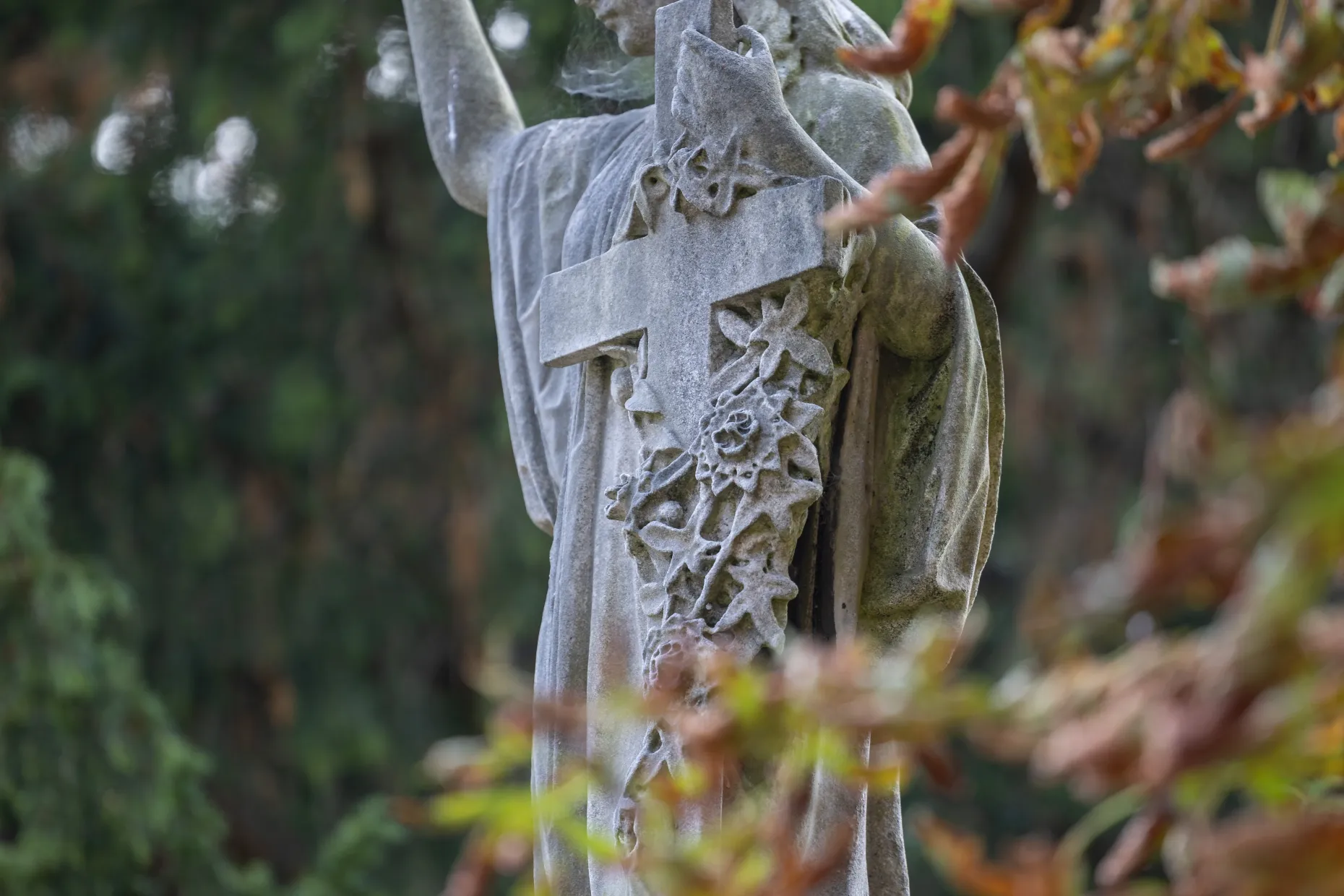
Orthodox Christians understand death as unnatural – not a punishment for inherited guilt, but the consequence of humanity’s separation from God. The liturgy celebrates Christ who tramples down death by death, and the faithful are liberated through his death and resurrection.
The body matters. Orthodoxy affirms the sacred worth of the human body and material creation, and rejects any idea that the body is merely a shell. That conviction is the root of the tradition’s strong preference for burial.
The Church is understood to span both the living and the departed, who remain members of the one body. Praying for the dead is therefore an expression of love rather than a formality.
A priest serves the rites. The funeral service, while not counted among the sacraments, belongs to the special liturgical rites of the Church, and the vigil beforehand takes the basic form of Matins.
The sequence begins earlier than families often expect. A brief service called the Trisagion may be served at the place of death, again the evening before the funeral, and again at the cemetery afterwards. Two customs – a paper band placed on the forehead signifying a crown of victory, and a prayer of absolution read at the end of the funeral – are observed in some parishes and not in others, depending on their origins.
At Dignity, we support families of every faith and background. From working with a priest to hosting a Trisagion in our chapel of rest, we have the expertise and experience to honour every detail. If you need to arrange an Orthodox funeral, just contact your local Dignity funeral director who will talk everything through with you.
An Orthodox funeral may be unfamiliar if you have not attended one. Here's what to expect:
Practice varies between parishes and nationalities, so ask the family. Koliva is prepared for the memorial services rather than the funeral itself, and is shared at church.
None during the rite. A meal usually follows, and koliva is shared at the memorial services in the months and years afterwards.
There is no requirement in the Orthodox Church that mourners wear black. Many do, and the custom is deeply ingrained in some communities, but it is cultural rather than a teaching of the Church – Orthodox clergy themselves commonly wear white at funerals, reflecting hope in the resurrection.
Expect to be invited forward for the final kiss at the end of the rite – the congregation’s farewell to the person who has died. You are welcome to take part or to remain in your place. Whether the non-Orthodox are commemorated in the Divine Liturgy varies, so ask the priest.
The cost of an Orthodox funeral in the UK depends on the funeral director, the church, and the cemetery you choose. Most Orthodox families choose burial, with a Trisagion beforehand and a further Trisagion at the graveside. Cemetery fees vary by location and tend to be higher in or near major cities. Remember that the memorial services on the third, ninth and fortieth days and each anniversary are part of the tradition, and worth planning for. Your local Dignity funeral director can talk you through everything that is included, and the costs.
Our funeral directors are at the heart of their communities, in over 500 locations across the UK. Wherever you live, you’ll have an experienced professional by your side throughout, caring for you and the person who’s died.
At Dignity, we’re here to support people of all religions and none. We can arrange Catholic, Anglican, Methodist, Baptist, Quaker, Hindu, Muslim, Jewish, Buddhist and Sikh funerals. Call your local funeral director today to talk about your needs.
Reviews for Dignity Group
We’re here to answer all your questions. If anything isn’t clear, please ask us.
Greek Orthodox belief that the body is sacred and the departed stay part of the Church, with what to expect on the day, etiquette and costs.
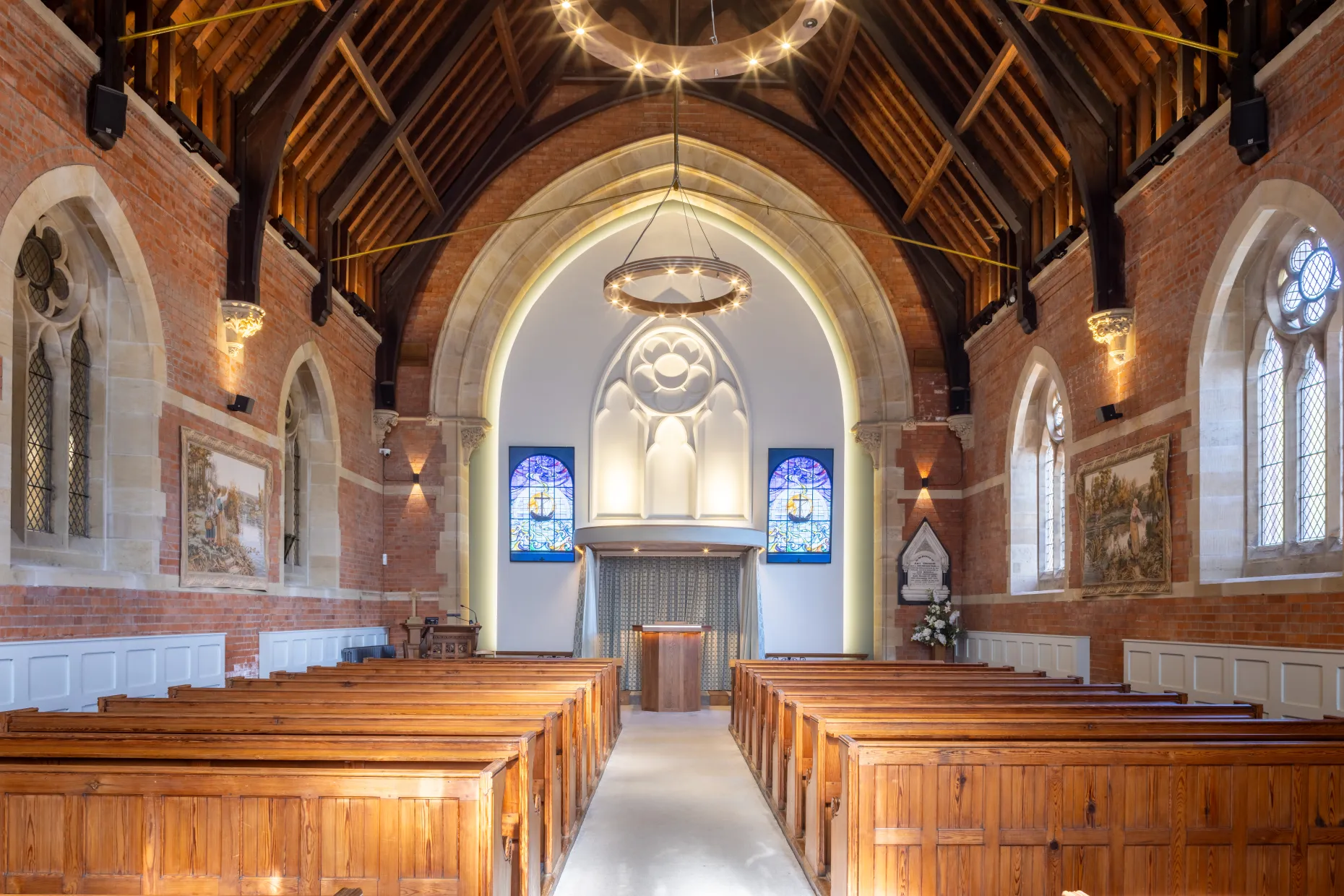
A Quaker funeral is a meeting for worship held largely in silence, with no officiant: what to expect before, during and after, etiquette and costs.
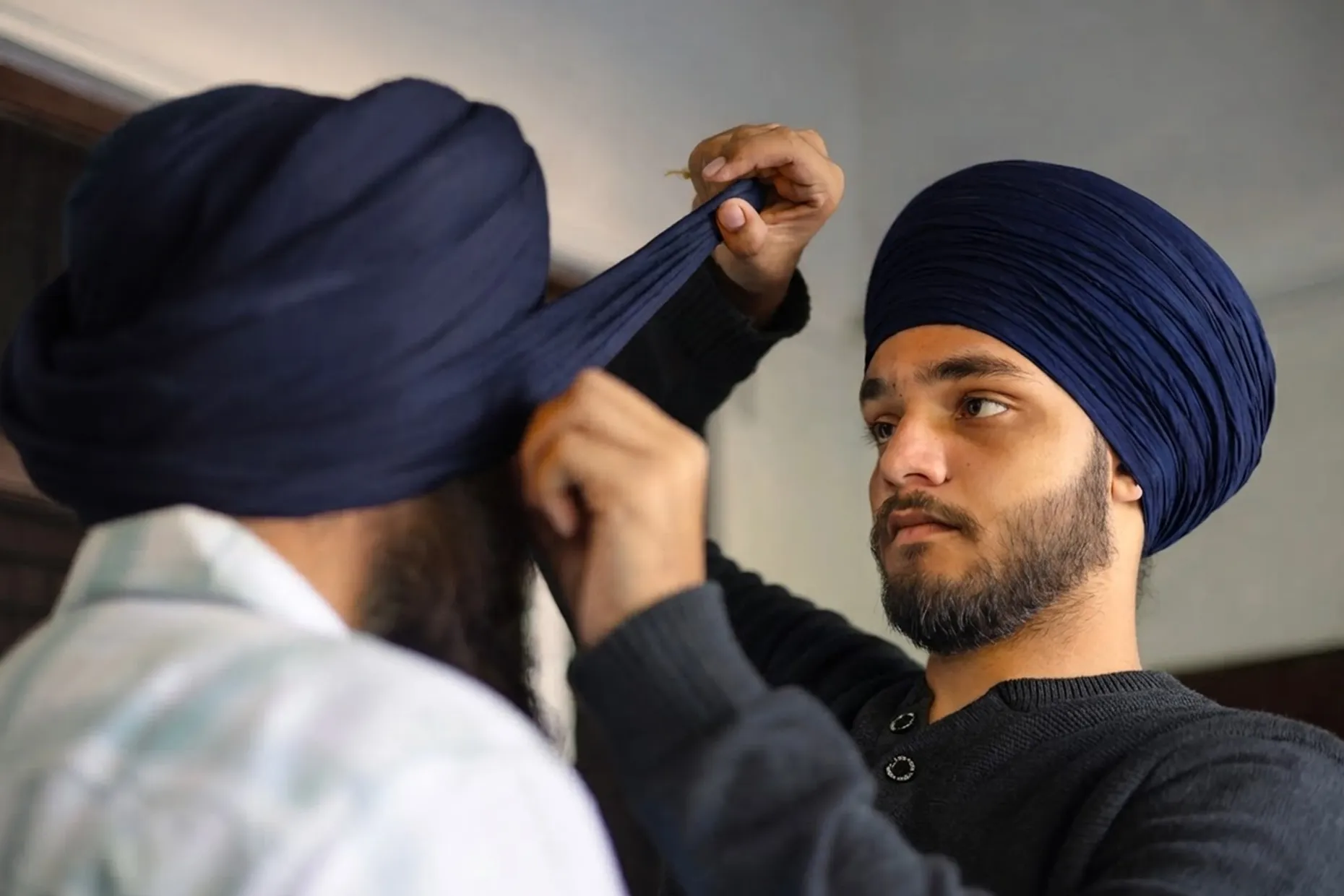
Sikh teaching on the soul's journey to mukti, and what to expect at the funeral itself – the ceremony, the etiquette, the key terms and the costs.