The velatorio
Family and friends come and go across the day rather than attending at a fixed time. There is usually somewhere to sit apart from the room where the person who has died is lying, and stepping away is expected rather than rude.
A Spanish funeral typically follows the Catholic rite, but it's the customs around it that feel distinctly Spanish, such as the velatorio, a vigil where family and friends come and go rather than sit through one long service. This guide covers what to expect – before, during and after – and how your local Dignity funeral director can support you to arrange a Spanish funeral.
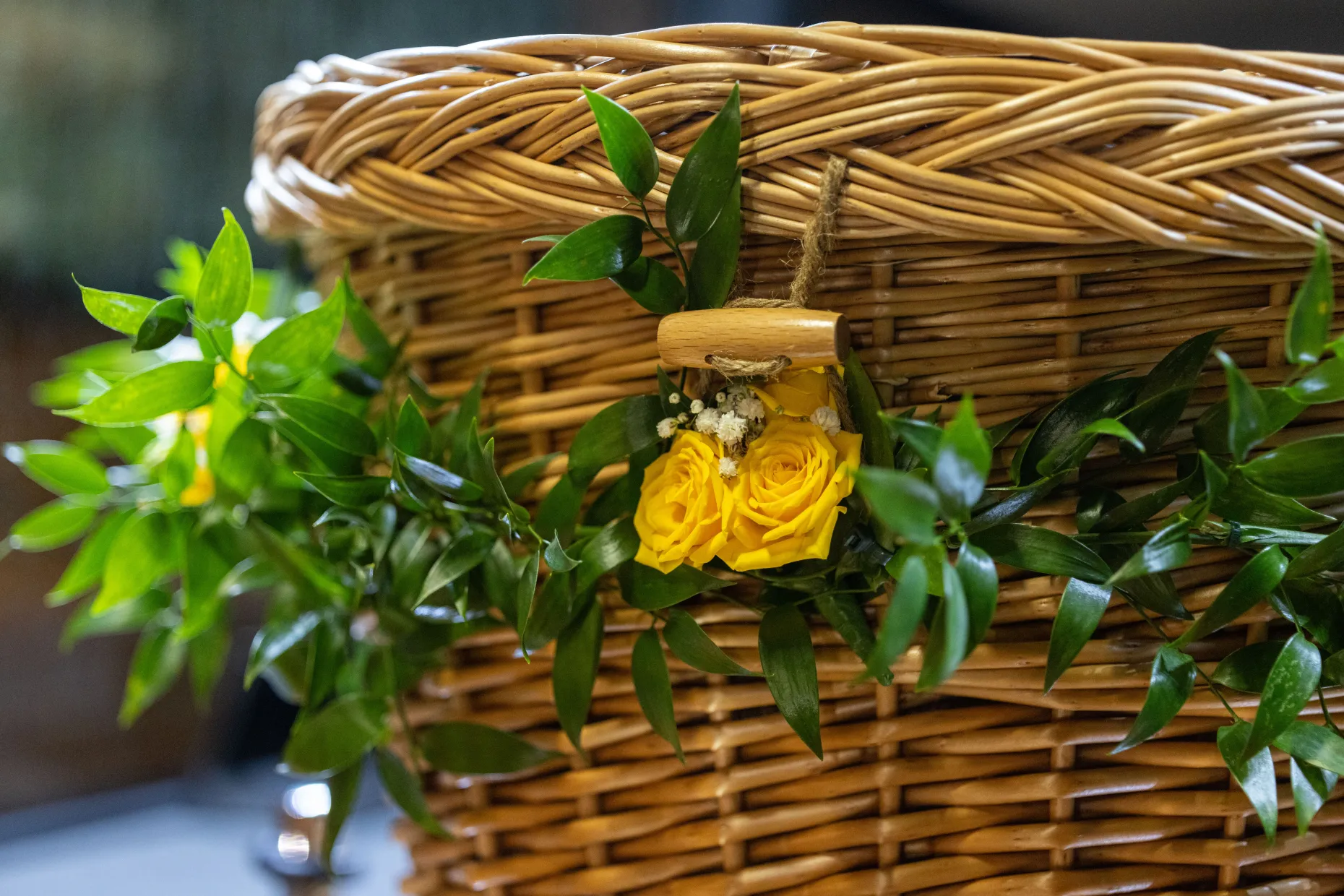
The rite is Catholic, and follows the Church’s own funeral liturgy. What is culturally Spanish is everything around it: the vigil, the speed, the procession and the calendar of cemetery visits.
Catholic teaching holds that the funeral is the last Passover of the child of God, leading into the life of the Kingdom, and that the dead may undergo a period of purification which the prayers of the living can shorten. That is why prayer for the person who has died matters as much as remembrance of them.
In Spain the sequence is registration, then a burial licence, then burial – and by law burial takes place at least twenty-four hours after the death. In practice a Spanish funeral is usually held within a day or two.
The vigil, the velatorio, was traditionally held through the night at the family home, with a room for the bier and another for the bereaved. It now almost always takes place at a tanatorio, a funeral home with a reception hall, a chapel and a cafeteria, where the stay need not be continuous. The tanatorio has also largely absorbed the funeral procession that once carried the coffin through the streets to the church.
At Dignity, we support families of every culture and belief. From arranging a vigil at our chapel of rest to liaising with a Catholic parish and, where a family wishes it, with repatriation to Spain, we have the expertise and experience to honour every detail. If you need to arrange a Spanish funeral, just contact your local Dignity funeral director who will talk everything through with you.
A Spanish vigil is a sociable gathering rather than a service, and that surprises some guests. Here's what to expect:
Family and friends come and go across the day rather than attending at a fixed time. There is usually somewhere to sit apart from the room where the person who has died is lying, and stepping away is expected rather than rude.
Conventions differ between families and regions, so don't be afraid to ask. Flowers and candles are the traditional cemetery offering, particularly at the start of November.
Smart, subdued clothing. Ask the family if you want to be sure – customs on colour vary between regions and generations.
At a Catholic Mass the liturgy carries the service, and a eulogy may not form part of it. If you are not Catholic you are welcome, and most guests stay in their seats rather than come forward for Communion.
The cost of a Spanish funeral in the UK depends on the funeral director, the church, and the cemetery or crematorium. Church offerings and burial fees are set separately from our charges. Two things are worth raising early: UK cemeteries rarely offer the niches and family vaults common in Spain, and repatriation to Spain is a separate arrangement with its own paperwork and lead time. Your local Dignity funeral director can talk you through everything that is included, and the costs.
Our funeral directors are at the heart of their communities, in over 500 locations across the UK. Wherever you live, you’ll have an experienced professional by your side throughout, caring for you and the person who’s died.
At Dignity, we’re here to support families of every culture. We can arrange Chinese, Japanese, Korean, Irish, African, Nigerian, Caribbean and Jamaican funerals, and funerals for people of every faith and none. Contact your local funeral director to talk about what your family needs.
Reviews for Dignity Group
We’re here to answer all your questions. If anything isn’t clear, please ask us.
More guidance on funerals abroad and on bringing someone home.
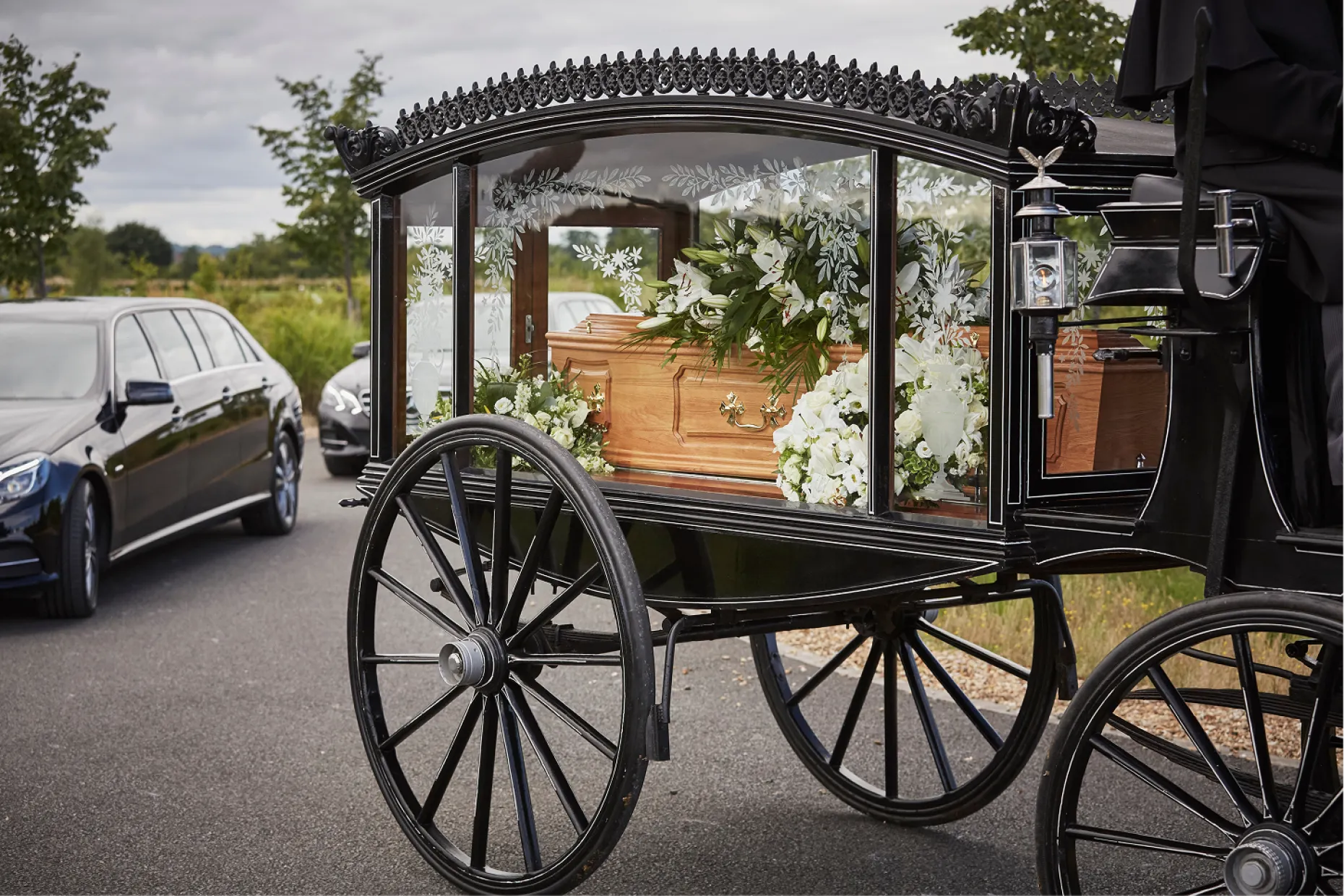
A Catholic funeral has three stages – vigil, funeral liturgy and committal: what to expect before, during and after, etiquette, what to wear and costs.

What to do when someone dies overseas, whether you are with them or at home: registering the death there, and bringing a body or ashes back to the UK.

Bringing someone home from abroad or sending them overseas – the documents each direction needs, how long it takes, the cost, and carrying ashes by air.