Attending the wake
You don't need to have known the person who has died well, or to wait for an invitation. Shake hands with the family, pass on your condolences, and stay for as long or as short a time as feels right.
An Irish funeral is built around the wake – the gathering that comes before the church service, and for many families matters just as much. Most Irish families in the UK are Catholic, so the funeral itself often follows the Catholic liturgy. The wake, music, storytelling and strong sense of community that surrounds the funeral reflect Irish cultural traditions. This guide covers what to expect, and how your local Dignity funeral director can support you.
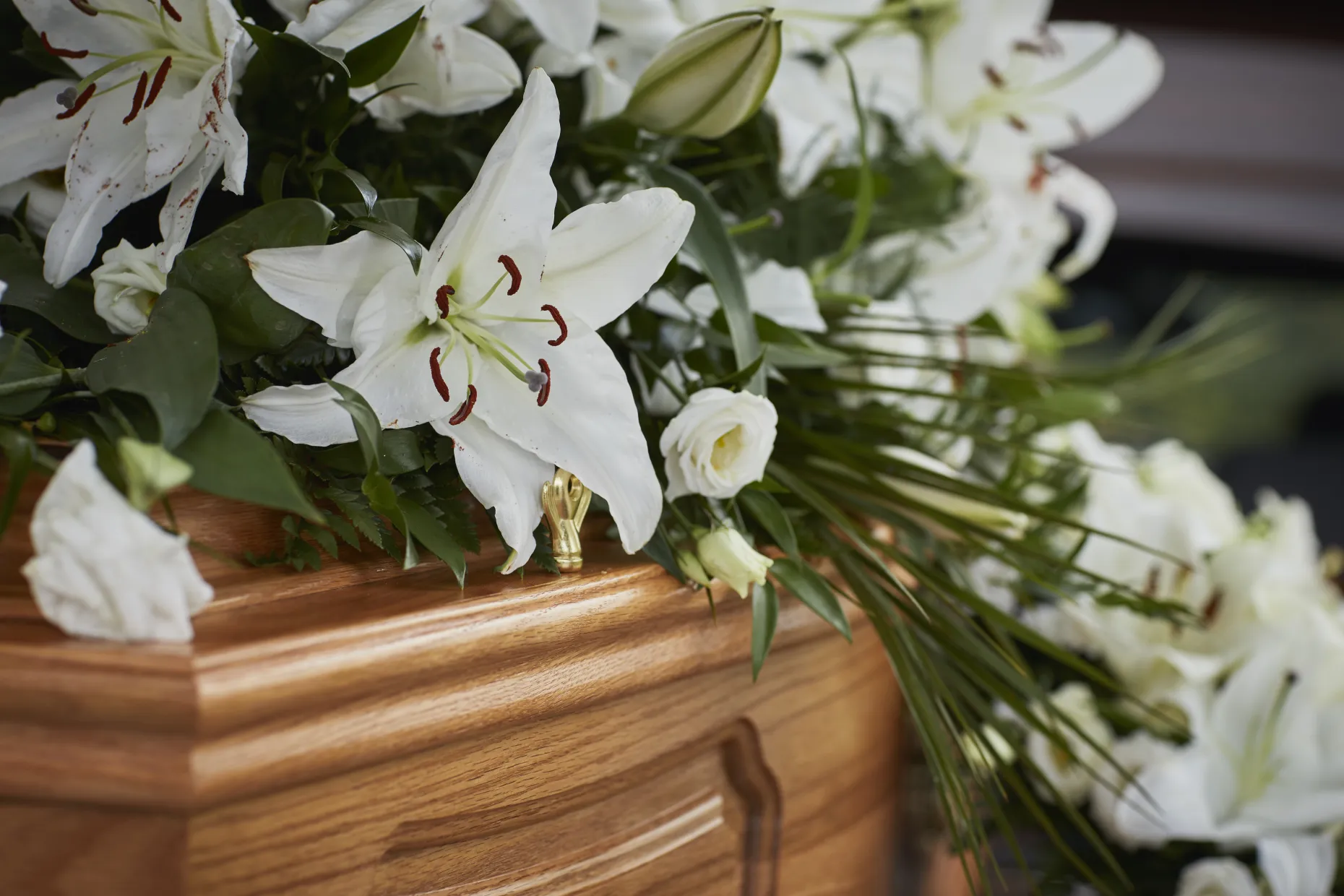
Irish funeral tradition is rooted in the Catholic faith. The funeral follows the Order of Christian Funerals in three stages: prayers and a vigil beforehand, the funeral liturgy, and the rite of committal. Catholic teaching holds that the person who has died may undergo a period of purification, which the prayers of the living can help shorten – so prayer for them is a central part of the funeral, not just a formality.
Alongside this, Irish culture has its own long-standing customs: the wake, and a strong sense that the whole community will want to pay their respects. These traditions grew up separately from the Church, and have remained an important part of how Irish families say goodbye.
The traditional wake was held over the body in the family home. Visitors came and went through the night, food and drink were shared, and there was often singing – a wake was never meant to be an entirely solemn occasion, but a way for the community to gather around a grieving family.
Today, many Irish families in the UK still hold a wake, though it's just as likely to take place at a funeral home or chapel of rest as at home. What hasn't changed is the purpose of it: people coming together to share memories, support one another, and spend time with the person who has died before the funeral itself.
At Dignity, we support families of every culture and belief. From hosting a wake at our chapel of rest to liaising with your parish and, where a family wishes it, arranging repatriation to Ireland, we have the expertise and experience to honour every detail. If you need to arrange an Irish funeral, just contact your local Dignity funeral director who will talk everything through with you.
If you have not been to an Irish wake, the thing to know is that you are welcome without an invitation. Here's what to expect:
You don't need to have known the person who has died well, or to wait for an invitation. Shake hands with the family, pass on your condolences, and stay for as long or as short a time as feels right.
Food and drink have always been part of an Irish wake, offered through the night as a way of welcoming everyone who comes. Hospitality is still how an Irish family receives mourners today.
Smart and subdued for the church. The wake is less formal, and people often come straight from work.
At the Mass the liturgy carries the service and there may be no eulogy. Non-Catholics are welcome and it is usual to stay seated during Communion. Singing at the graveside is normal and you are welcome to join or to listen.
The cost of an Irish funeral in the UK depends on the funeral director, the parish, and the cemetery or crematorium. Two things often differ from a typical UK arrangement: the numbers, because an Irish wake and funeral draw a wider community than most, which affects the size of venue and the catering; and repatriation, if your family wants burial in Ireland, which carries its own paperwork, lead time and cost. Your local Dignity funeral director can talk you through everything that is included, and the costs.
Our funeral directors are at the heart of their communities, in over 500 locations across the UK. Wherever you live, you’ll have an experienced professional by your side throughout, caring for you and the person who’s died.
At Dignity, we're here to support families of every culture. We can arrange Chinese, Japanese, Korean, Spanish, African, Nigerian, Caribbean and Jamaican funerals, and funerals for people of every faith and none. Contact your local funeral director to talk about what your family needs.
Reviews for Dignity Group
We’re here to answer all your questions. If anything isn’t clear, please ask us.
More guidance on funeral traditions across different faiths and cultures.
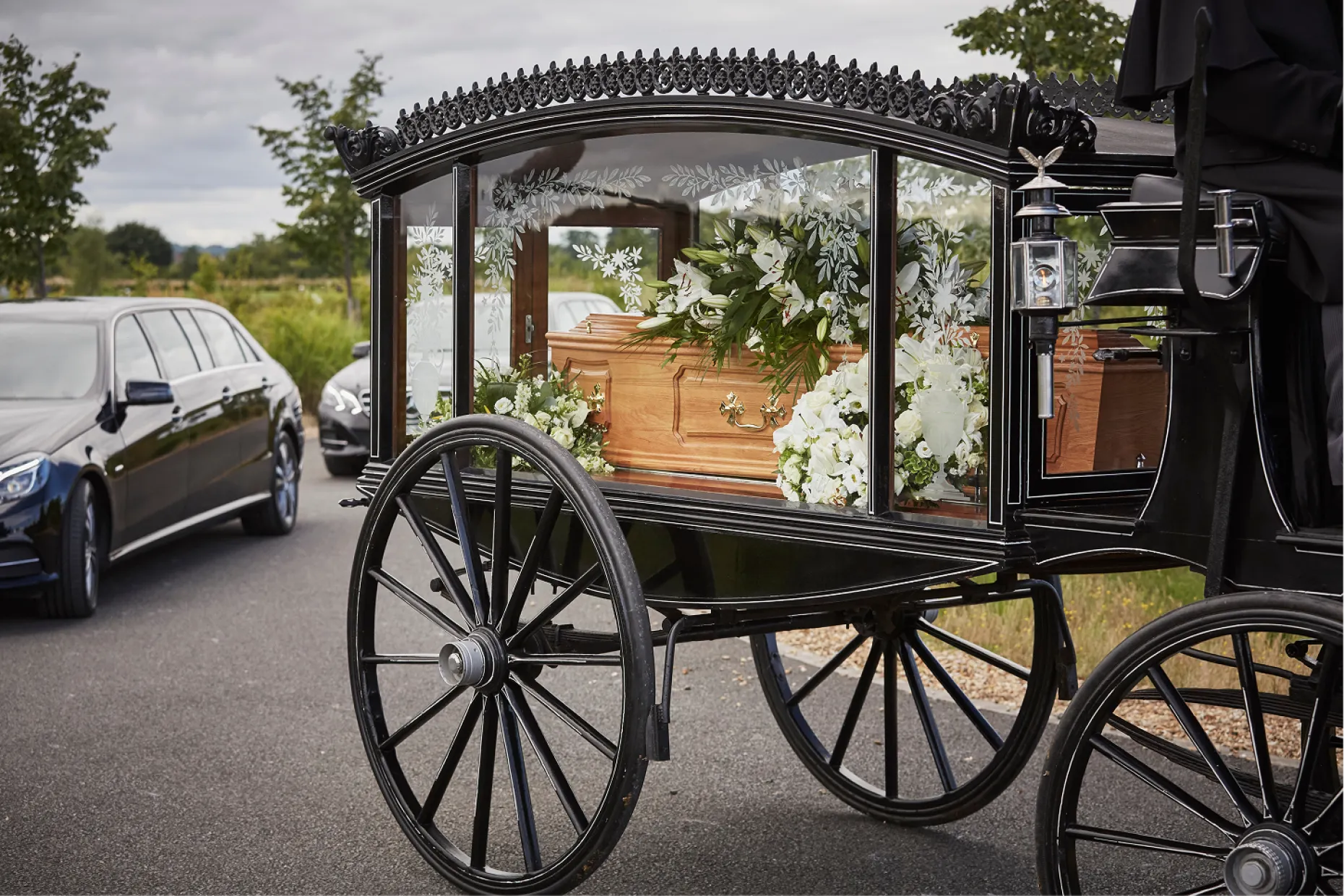
A Catholic funeral has three stages – vigil, funeral liturgy and committal: what to expect before, during and after, etiquette, what to wear and costs.
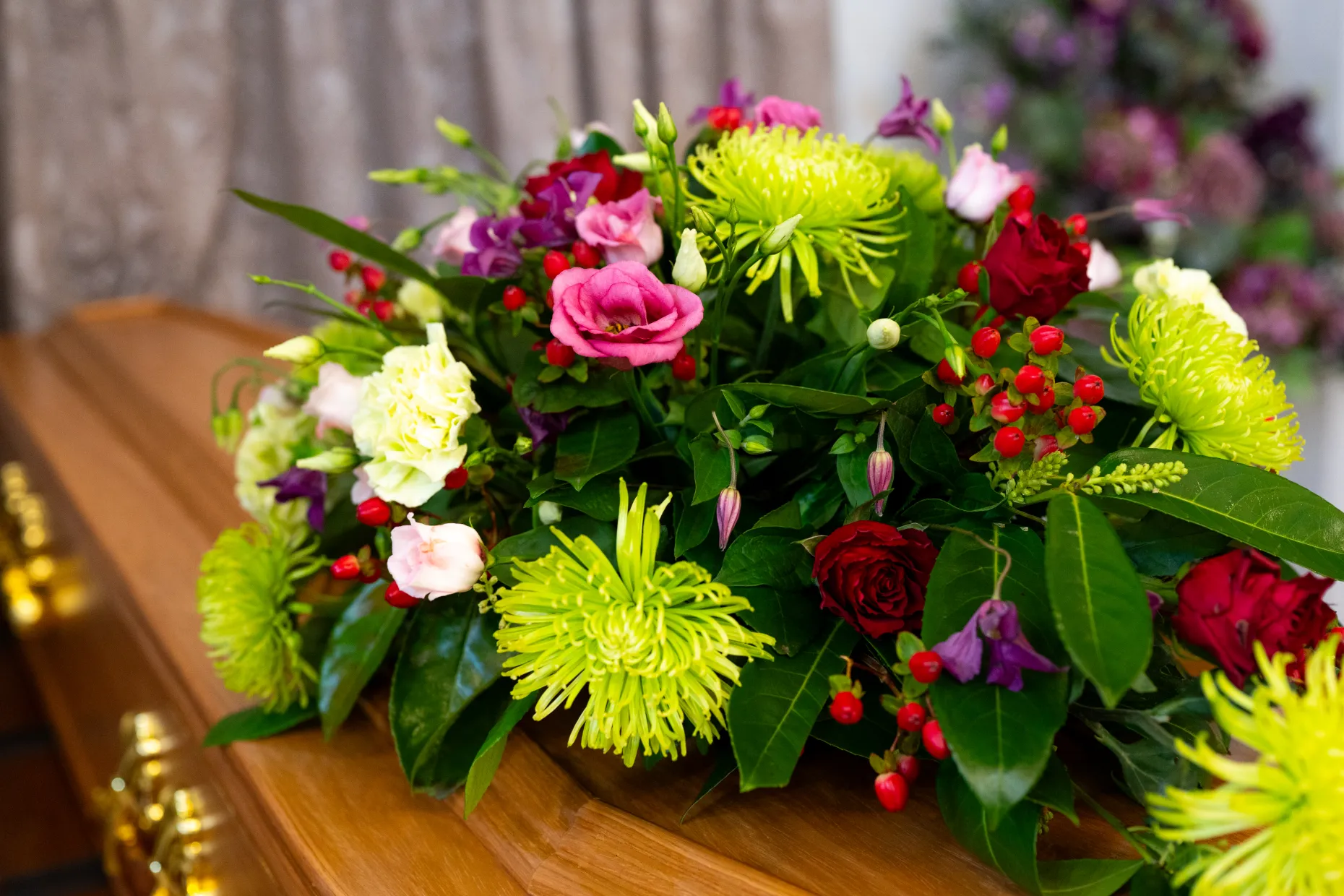
A Roman Catholic funeral centres on the Mass, and Roman Catholic and Catholic mean the same Church: what to expect, etiquette, what to wear and costs.

Organising a wake – who to invite, where to hold it, food and drink, how to share the details, and roughly what it costs.