Gifts and flowers
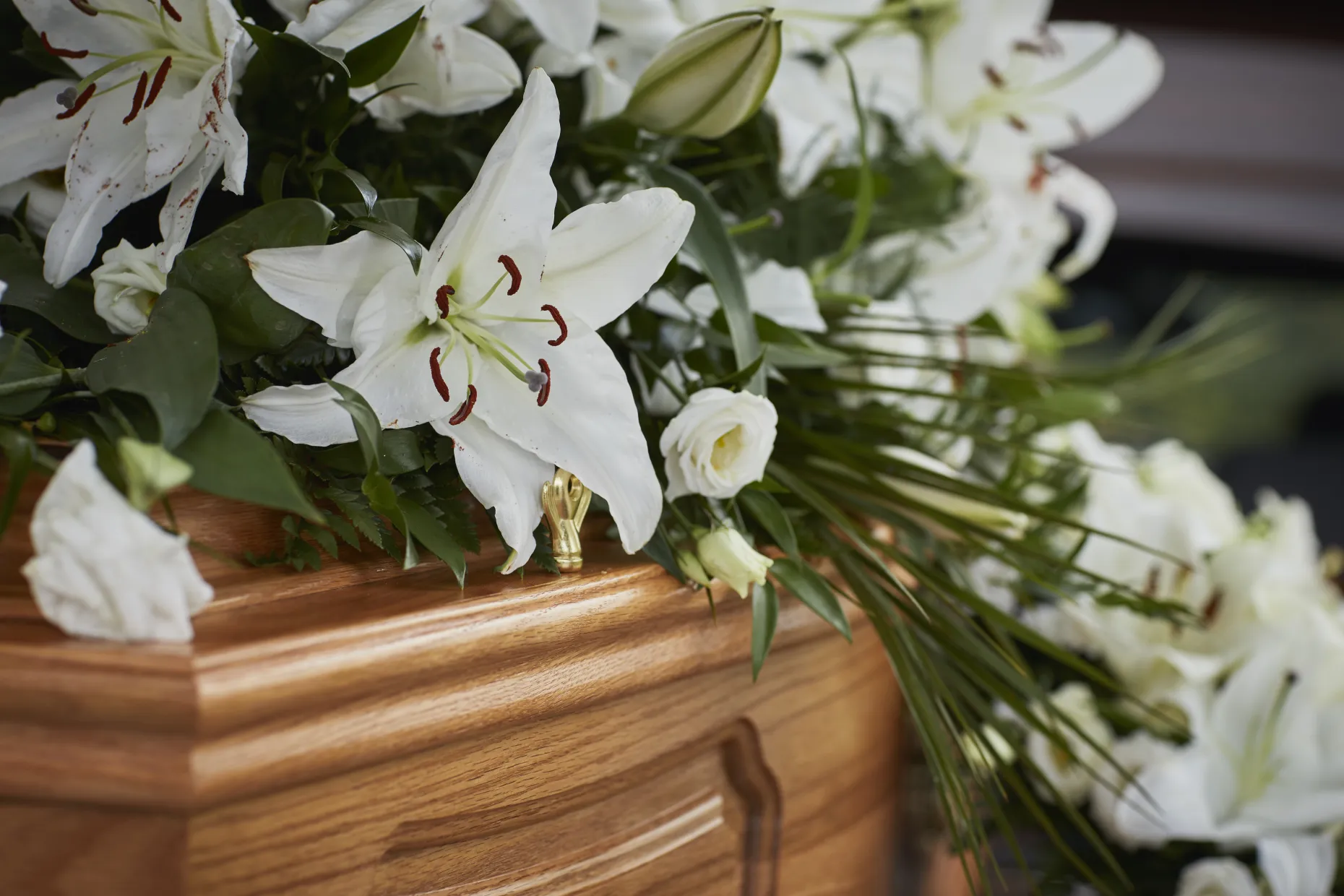
Flowers are generally welcome, and donations to a charity or to the church are a common alternative. Your funeral notice will usually say which the family prefers.
A Baptist funeral is shaped by the local church rather than by a national service book. Your minister and your family decide its form together. This guide covers what to expect – before, during and after – and how your local Dignity funeral director can support you to arrange a Baptist funeral.
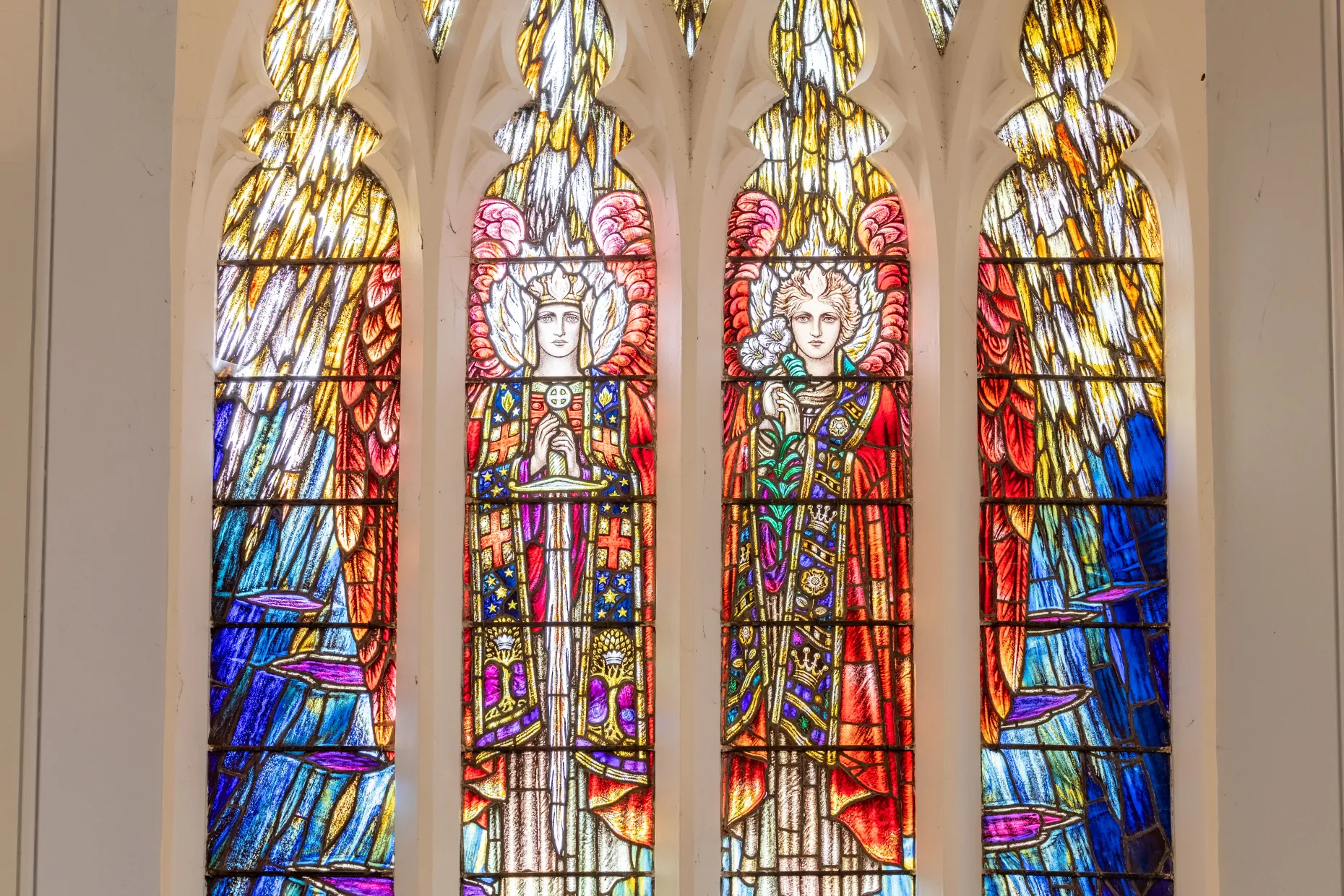
Baptists don't follow a fixed creed or confession of faith – the appeal is always to the Bible itself, and the Baptist Union’s own Declaration of Principle holds that Jesus Christ is the sole and absolute authority in all matters of faith and practice.
That means there is no official Baptist statement about what follows death, and you will hear the broad Christian hope of resurrection and eternal life expressed in the words of your own minister rather than from a book. One belief that is distinctly Baptist does speak directly to a funeral: baptism by full immersion, which is understood to represent death to an old life and resurrection into a new one.
There is no denominational funeral liturgy. Baptist churches are self-governing, so the shape of the service is set locally by your minister and your family rather than by a national church body.
What is consistent across Baptist worship is that the sermon carries the service, prayer is usually extempore rather than read, and hymn singing is central. Beyond that, variation between congregations is the norm.
At Dignity, we support families of every faith and background. Because there is no set liturgy to work from, we start by talking to your minister, then build the arrangements around whatever you decide together. If you need to arrange a Baptist funeral, just contact your local Dignity funeral director who will talk everything through with you.
Because Baptist churches differ so much in style, the best guide is to ask the church or family. Here's what to expect:
Flowers are generally welcome, and donations to a charity or to the church are a common alternative. Your funeral notice will usually say which the family prefers.
There's no food during the service. A gathering afterwards is usual and often organised by church members, frequently in the chapel hall.
Smart, subdued clothing is the general UK convention. Some Baptist congregations are notably informal, so if you are unsure, ask the family.
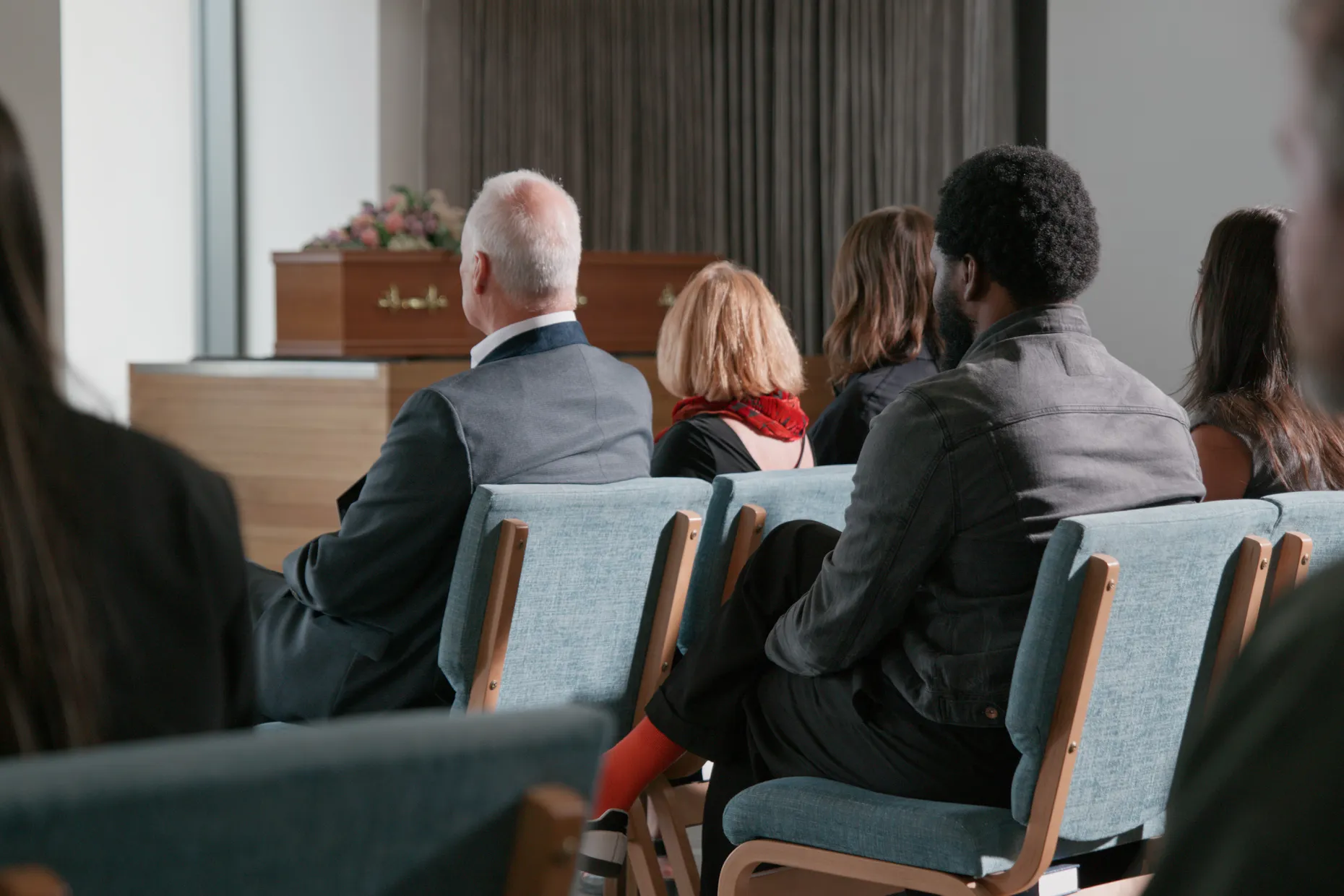
You're welcome to join in the hymns, and the minister will indicate when to sit and stand. There is no formal ritual for guests to take part in.
The cost of a Baptist funeral in the UK depends on the funeral director, the chapel, and the cemetery or crematorium you choose. There is no denominational fee scale, and arrangements with your own church are settled locally. Because Baptist chapels rarely have their own burial ground, a burial usually means a municipal or private cemetery, or a natural burial site, each with its own charges. Allow a little more time in the service than a standard slot, since the address and extempore prayer should not be cut short. Your local Dignity funeral director can talk you through everything that is included, and the costs, so you can plan with confidence.
Our funeral directors are at the heart of their communities, in over 500 locations across the UK. Wherever you live, you’ll have an experienced professional by your side throughout, caring for you and the person who’s died.
At Dignity, we’re here to support people of all religions and none. We can arrange Catholic, Anglican, Methodist, Quaker, Orthodox, Hindu, Muslim, Jewish, Buddhist and Sikh funerals. Call your local funeral director today to talk about your needs.
Reviews for Dignity Group
We’re here to answer all your questions. If anything isn’t clear, please ask us.
At an Irish funeral the wake matters as much as the service: what to expect before, during and after, etiquette, what to wear and what it costs.
Christian funerals vary widely between churches but share the same hope: what to expect before, during and after, etiquette, what to wear and costs.
An Anglican funeral is open to everyone, churchgoer or not, and led by your local vicar: what to expect before, during and after, etiquette and costs.