Gifts and flowers
Flowers are welcome, and many families ask for donations to a charity or to the church instead. This is usually stated in the funeral notice.
A Methodist funeral gives thanks for a life and offers the person who has died into God’s care. Singing matters greatly, and the Methodist Worship Book provides for more than one gathering. This guide covers what to expect – before, during and after – and how your local Dignity funeral director can support you to arrange a Methodist funeral.

Methodists believe the death and resurrection of Jesus give both hope and cause for thanksgiving in the face of death. The published teaching is notably direct: at death life entirely ends, as it did for Jesus, and God then raises us to a life everlasting. Christians receive resurrection bodies rather than earthly ones.
Two further emphases shape the tone of a Methodist funeral. Salvation is open to everyone, not to a chosen few, and no one is beyond the reach of God’s love. And assurance rests not on our own feelings but on the promises of a faithful God. Together these make the service hopeful.
The funeral liturgy comes from the Methodist Worship Book, and it provides more than most families expect: prayers in the home or hospital straight after a death, an office of commendation for those who cannot attend, a vigil the evening before, funeral services, and a separate service for the burial of ashes.
A minister conducts the funeral. Lay pastoral visitors may lead the prayers at home or in hospital. Methodism has always given lay people a major part in the life of the Church.
At Dignity, we support families of every faith and background. From hosting a vigil in our chapel of rest to arranging a committal followed by a thanksgiving service in church, we have the expertise and experience to honour every detail. If you need to arrange a Methodist funeral, just contact your local Dignity funeral director who will talk everything through with you.
Methodist funerals are warm and participatory, and the singing is the heart of them. Here's what to expect:
Flowers are welcome, and many families ask for donations to a charity or to the church instead. This is usually stated in the funeral notice.
None during the service. A gathering afterwards is usual, and many Methodist churches have a hall and a willing team who will provide tea and sandwiches.
Smart, subdued clothing is usual, though some families ask for brighter colours. Nothing more is expected.
Join in the hymns. This matters more in a Methodist service than in most, and the congregation carries the singing. The minister will indicate when to sit and stand.
The cost of a Methodist funeral in the UK depends on the funeral director, the church, and the cemetery or crematorium you choose. Just over half of Methodist funerals are cremations. Because few Methodist churches have their own burial ground, a burial usually means a municipal or private cemetery, or a natural burial site, each with its own fees. Where you choose a committal followed by a separate service of thanksgiving, there are two occasions to plan for. Your local Dignity funeral director can talk you through everything that is included, and the costs.
Our funeral directors are at the heart of their communities, in over 500 locations across the UK. Wherever you live, you’ll have an experienced professional by your side throughout, caring for you and the person who’s died.
At Dignity, we’re here to support people of all religions and none. We can arrange Catholic, Anglican, Baptist, Quaker, Orthodox, Hindu, Muslim, Jewish, Buddhist and Sikh funerals. Call your local funeral director today to talk about your needs.
Reviews for Dignity Group
We’re here to answer all your questions. If anything isn’t clear, please ask us.
More guidance on funeral traditions across different faiths and cultures.
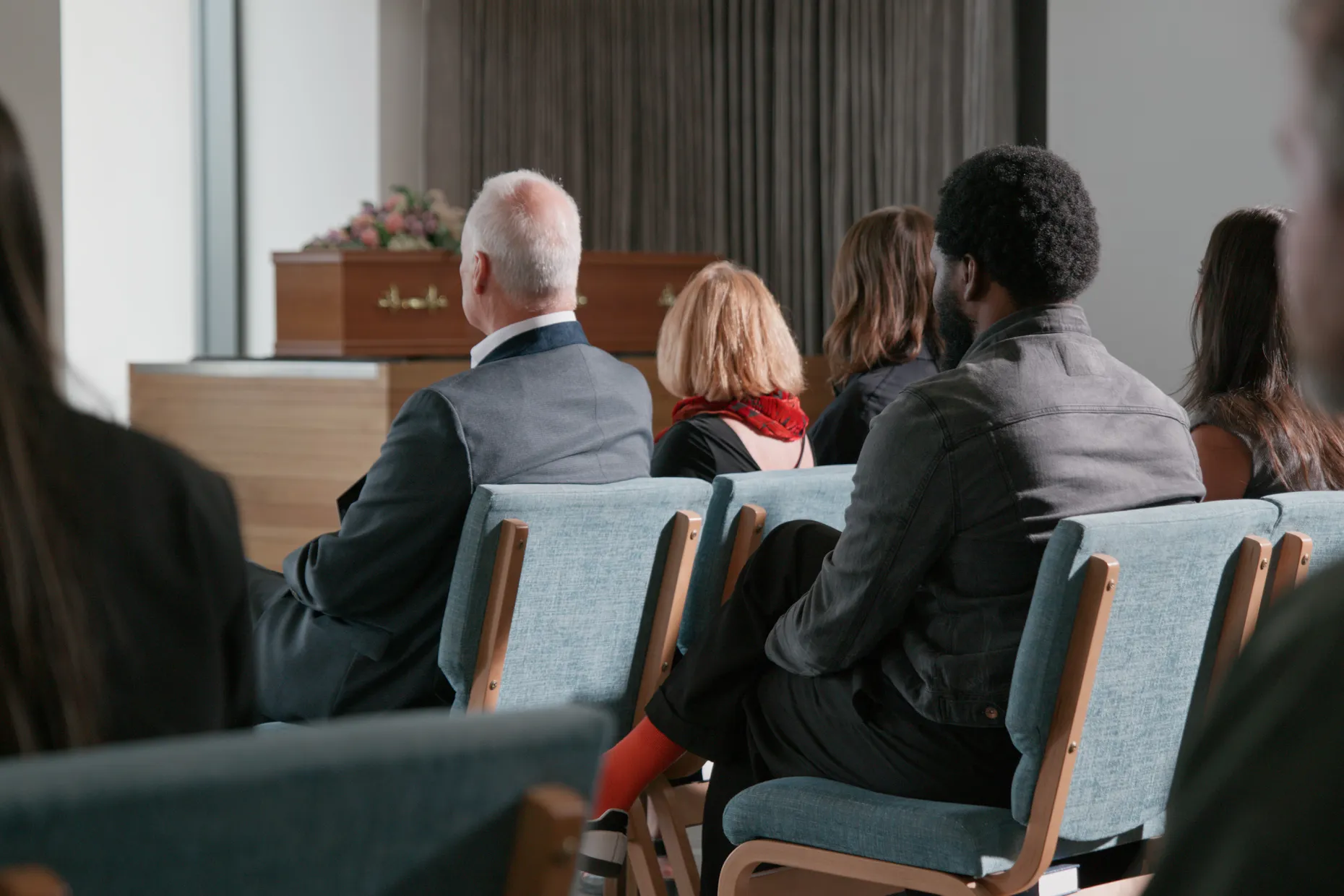
An Anglican funeral is open to everyone, churchgoer or not, and led by your local vicar: what to expect before, during and after, etiquette and costs.
A Baptist funeral is shaped by your local church rather than a service book: what to expect before, during and after, etiquette, what to wear and costs.
Christian funerals vary widely between churches but share the same hope: what to expect before, during and after, etiquette, what to wear and costs.